
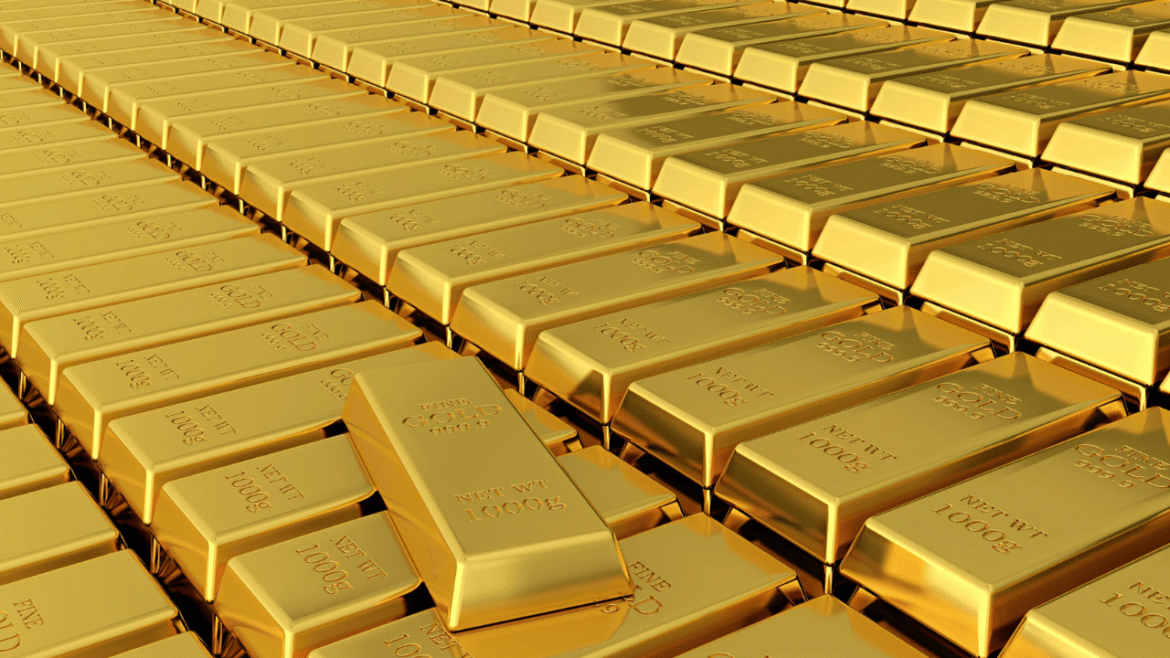
Gold has always held an important place in Indian households, representing prosperity and stability. Why, however, many people wonder, do cities pay different prices of gold? The financial center of India, Mumbai, often demonstrates interesting price patterns compared to the rest of the regions. When customers understand such differences, they are better placed to make informed decisions and budget their spending plans. Let’s examine key factors that provide light on how gold Mumbai price today stack up against those in other parts of the nation.
- Transportation and Logistics Impact Price Variations
The transportation expenses of gold from refineries to retail outlets are enormous, and they have a direct impact on the ultimate price. Mumbai’s benefit is its closeness to major ports and distribution centers, which saves logistics costs significantly. Cities located distant from these centers incur higher freight expenses, making gold slightly more costly. The difference may appear minor per gram, but it becomes significant when purchasing bigger quantities for weddings or investments.
- Local Taxes Create Regional Price Differences
State governments apply varied local taxes and levies on gold transactions, resulting in significant pricing disparities between locations. While the goods and services tax stays similar across the country, extra taxes vary by state due to local restrictions. Mumbai pricing reflects Maharashtra’s tax system, which may be higher or cheaper than in adjacent states. Because of these fiscal rules, the same quality gold might cost various amounts only across state lines, prompting savvy customers to evaluate prices before purchasing.
- Demand and Supply Dynamics Shape Market Rates
Mumbai has considerable gold demand throughout the festival season and wedding season, which has a big impact on local market behavior. The city’s enormous population and considerable purchasing power result in distinct demand patterns that influence everyday prices. When demand rises in Mumbai, prices may briefly exceed national norms, while calmer times may see more competitive pricing. Understanding seasonal changes allows shoppers to schedule their purchases more efficiently and get better bargains throughout the year.
- Currency Fluctuations Affect All Markets Similarly
International gold prices denominated in US dollars affect Indian rates evenly throughout all cities, including Mumbai. When the rupee falls against the dollar, gold becomes more expensive countrywide as import prices rise proportionally. However, Mumbai’s reputation as a major financial hub implies that price changes occur more quickly than in smaller locations. Currency fluctuations establish a baseline pricing for all markets, but local variables add their own variations on top of these basic shifts.
- Purity Standards and Making Charges Vary
The real gold rate just includes the base metal cost, while production and waste costs vary greatly between jewelers and cities. Mumbai’s competitive market frequently has transparent pricing with clearly defined components, allowing buyers to understand exactly what they’re paying for. Different locations have different policies for these extra costs, which can make supposedly inexpensive gold more expensive overall. Comparing the final price with all components provides a more accurate view of value across markets and locales.
Conclusion
Prices of gold in Mumbai are determined through a dynamic network of logistics, taxes, demand, and currency fluctuation, which causes slight variation with pan-India prices. Although global considerations have the same baseline price, local elements like transportation, state peculiar taxes and regional demand dynamics have critical variances. The advantage of gold rate transparency with regard to the strategic location and competitive nature of the market in Mumbai can be enjoyed; however, buyers need to look beyond the base rates to understand the overall prices, such as the manufacturing prices.